
Introduction
Explore the most popular wedding themes in America for 2026 and choose a wedding that fits your venue, budget, and personal style.
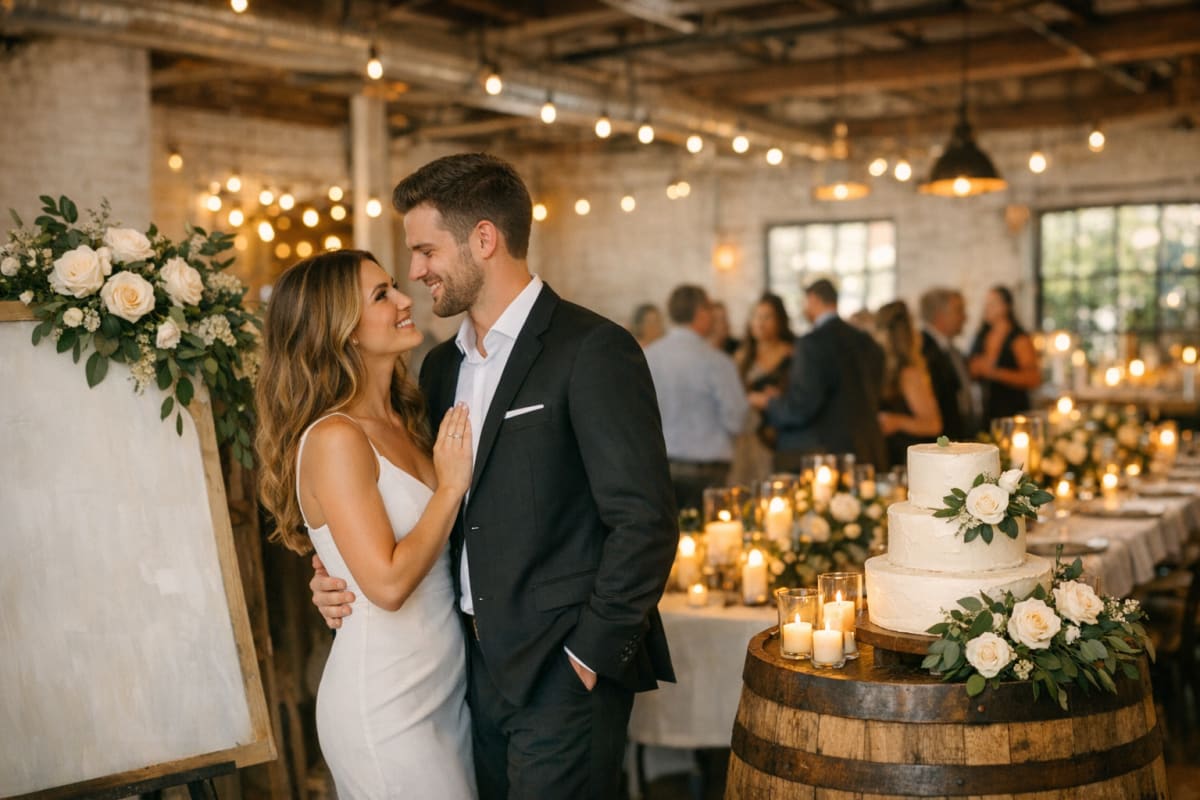
The best wedding theme is the one your venue can carry naturally. Everything else should feel like editing, not decorating.
The most popular wedding themes in America for 2026 are the ones that feel polished without looking overstyled. Couples are leaning into classics with one or two strong design choices, instead of building the whole wedding around a costume-like concept.
That is the real shift in wedding planning right now: a theme has to work with your venue, your photos, and your guest experience, not just your Pinterest board.
Which wedding theme should you choose first?
Start with your venue and season, then pick the theme that the space already supports. A ballroom wants a different look than a barn, a museum, a rooftop, or a backyard, and forcing the wrong style usually costs more than it should.
My opinion is simple: choose the strongest visual lane you can afford to repeat in four places, ceremony, reception, stationery, and attire details. If you can keep those aligned, the wedding reads as intentional even with a modest budget.
The 20 wedding themes couples are choosing most in 2026
These are the themes showing up again and again because they photograph well, are easy to adapt, and give couples room to make the day personal.
1. Modern classic
Clean lines, white florals, black or gold accents, and formal tailoring define this look. It is popular because it feels timeless without looking stiff.
Best for couples who want a safe but elegant choice. Add one signature detail, such as a patterned linen, monogram, or statement aisle, so it does not feel generic.
2. Romantic garden
Soft blooms, draped fabric, and layered greens create a garden wedding feel even if the venue is indoors. This theme works especially well in spring and early summer.
The trade-off is floral cost, so choose fewer varieties and repeat them well rather than asking for every bloom under the sun.
3. Moody modern
Deep colours, candlelight, textured florals, and dramatic table styling make this one of the strongest wedding trends for evening celebrations. Think plum, burgundy, forest green, chocolate, or charcoal.
It suits couples who want atmosphere more than brightness. If your venue is already dark, keep the centrepieces low and the lighting warm so the room does not feel heavy.
4. Minimalist luxe
This theme uses restraint as the statement: fewer colours, fewer decor layers, better materials. Linen, silk, stone, glass, and clean typography do the heavy lifting.
It is a smart choice if you want your wedding to look expensive without crowding every surface.
5. Vintage glam
Art deco details, pearls, velvet, metallics, and a little sparkle create a formal throwback look. It is especially good for city venues and historic buildings.
Keep it rooted in one era. Mixing too many decades can make the design feel confused instead of curated.
6. Black tie ballroom
This is still one of the most popular American wedding themes because it is straightforward and polished. Formal dress, symmetrical florals, and candlelit tables keep the style crisp.
If you choose this theme, invest in lighting and linens first. Guests will remember the room more than the tiny details.
7. Rustic elegant
Wood, soft neutrals, greenery, and a little polish define this look. It is the evolved version of the old barn wedding, with fewer mason jars and better styling.
It works best when the venue already has texture, such as beams, stone, or open landscape. Do not overdecorate a space that already has character.
8. Coastal chic
Think pale blues, sand, white, woven textures, and breezy florals. This theme is common for beach towns, waterfront venues, and summer weddings.
The biggest mistake is making it too literal. You want coastal cues, not seashell overload.
9. Desert boho
Warm neutrals, terracotta, dried elements, and relaxed silhouettes give this theme its appeal. It remains popular for outdoor weddings in the American Southwest and beyond.
This look is strongest when it stays earthy. Too many trend pieces at once can make it feel dated fast.
10. French countryside
Soft florals, antique-looking details, delicate table settings, and a relaxed romantic mood make this theme feel refined. It is especially strong for garden and estate venues.
Use it sparingly. One or two European-inspired touches are enough; otherwise the wedding can start feeling themed rather than elegant.
11. Classic white and green
White flowers and green foliage remain a default choice for a reason: they work in almost any venue and season. This is one of the easiest wedding themes to style well.
If you want a very safe look, this is it. To keep it from feeling plain, vary texture with candles, ribbed glass, or layered linens.
12. Colour-drenched celebration
One strong colour story, such as all blush, all blue, all terracotta, or all peach, is having a real moment in wedding design. It feels bold but still cohesive.
The trick is controlling the shade range. Too many competing tones make the wedding feel accidental.
13. Editorial monochrome
Black and white, ivory and black, or a single tonal palette gives your wedding a fashion-forward edge. This is a strong choice for couples who want crisp photos and strong contrast.
Be careful with hard lines everywhere. Add something soft, like florals or candlelight, so the room does not feel severe.
14. Garden party
This is lighter and more playful than formal garden style. Expect mismatched textures, floral prints, airy dresses, and a relaxed meal setup.
It suits couples who want charm over grandeur. Use it for brunch, lunch, or afternoon weddings especially well.
15. Old-money traditional
This style borrows from heritage venues, tailored dressing, and classic details such as escort cards, banded menus, and formal seating. It is polished, restrained, and very structured.
It works best if your venue already has architectural interest. Otherwise it can feel like a theme without a backdrop.
16. Artful eclectic
This theme mixes colour, pattern, and statement decor in a way that feels collected rather than random. It is popular with creative couples who do not want a cookie-cutter wedding.
The key is editing. Pick one repeated motif, such as arches, fruit, or bold tableware, to tie it all together.
17. Sustainable natural
Locally sourced florals, reusable decor, potted plants, and less single-use waste shape this look. It is less a visual style alone and more a planning choice that affects the whole event.
This is a good fit if you care more about values than excess. The design usually looks best when it is simple and honest.
18. Destination-inspired tropical
Bright foliage, orchids, palms, citrus, and a relaxed resort feel define this theme, even if the wedding is not actually at a beach resort. It remains popular for warm-weather celebrations.
Do not confuse tropical with loud. A tighter palette makes the room feel fresher and more expensive.
19. South Asian fusion
This style blends American wedding structure with South Asian elements such as mehndi, sangeet, haldi, nikah, or walima, depending on the couple's traditions and family plans. It is one of the most practical themes for multi-event weddings.
The design benefit is variety. You can give each event its own mood while still keeping one overall visual thread across the week.
20. Modern cultural fusion
This is the broadest and most flexible theme on the list. Couples mix two backgrounds, faith traditions, or family styles into one cohesive look with thoughtful colour, attire, food, and ceremony details.
The best version is specific, not vague. Use meaningful symbols and rituals intentionally instead of sprinkling in cultural details as decoration.
How do you make a popular theme feel personal?
Choose one personal anchor and repeat it three times. That anchor could be a colour, a flower, a place, a shared interest, or a family tradition.
For example, if you both love travel, use map-inspired table names, postcard-style stationery, or a welcome note that references the places that matter to you. If a family heirloom is the real story, build the styling around that object instead of buying more decor.
Here is a simple rule: the more common the theme, the more specific the personal details need to be.
What should you spend on first if the theme matters most?
Spend on the things guests notice in the room before they notice the details. Lighting, florals, linens, and the ceremony backdrop usually shape the theme more than extra props do.
A sensible split for a theme-driven wedding is to prioritise the venue look first, then the tables, then the small accents. If the budget gets tight, cut the filler decor before you cut the core visual pieces.
A worked example: 120 guests across three events
Say you have 120 guests and you are planning a ceremony, reception, and welcome dinner. You want a modern classic theme with a little moodier colour at night.
You could keep the ceremony clean with white florals and a simple aisle, use candlelight and darker linens at the reception, and reserve the welcome dinner for a softer version of the same palette. That gives you consistency without making every event look identical.
For multi-day or fusion celebrations, a wedding website can help you keep all the moving parts in one place, especially if guests need different schedules, maps, and RSVP paths. DreamWedds is built for that kind of guest communication, including multi-event weddings and online RSVPs. If you need one central link for events, venues, and reminders, see DreamWedds wedding website builder.
The theme mistake couples make most often
They pick a theme from social media instead of picking one that fits their venue, season, and family expectations. A theme that looks great in photos can be expensive or awkward in real life.
The second mistake is trying to make every detail match. The strongest weddings usually mix a clear main idea with a few softer supporting details, not a perfect set of props.
What to do next
Shortlist three themes that fit your venue and season. Then ask yourself which one you could repeat across attire, flowers, and tables without forcing it.
If you are planning multiple events, start collecting your venue names, RSVP details, and guest notes in one place early. That saves you from scattered messages later and makes it easier for guests to follow the schedule.
Frequently asked questions
What wedding theme is safest if I am not design-savvy?
Modern classic or classic white and green are the easiest to get right. Both rely on clean structure, good lighting, and simple florals rather than a complicated mix of decor. They also adapt well to many venue types, so you are less likely to spend money fixing mismatched details.
Can I mix two wedding themes?
Yes, but only if one is clearly the lead and the other is a supporting layer. For example, moody modern with a little vintage glam can work well. What does not work is mixing several strong looks at once, because the wedding will read as undecided rather than layered.
Are wedding themes still worth it if my wedding is small?
Absolutely. A small wedding benefits from a clear theme because every design choice is more visible. You do not need much decor, but you do need consistency. Even one strong palette, a thoughtful floral choice, and matching stationery can make a small wedding feel intentional.
How do I choose a theme for a multi-event wedding?
Pick one overall visual thread, then give each event a variation. For example, keep the same colour family but shift the mood from bright and festive for mehndi or sangeet to formal and refined for the ceremony and reception. This keeps the celebration cohesive without feeling repetitive.
Sources
- https://www.dreamwedds.com/free-wedding-website
- https://www.dreamwedds.com/indian-wedding-website
- https://www.dreamwedds.com/multi-day-wedding-website
How to Create and Send an RSVP Link for Your Wedding (Step-by-Step)
8 NOV 2026
Tuscany vs Santorini vs Amalfi Coast for a wedding
18 JUN 2026
How Much Does a Destination Wedding in Europe Cost?
18 JUN 2026
Top 20 Wedding Destinations in Europe for a Fairytale Wedding
18 JUN 2026

Wedding Checklist for US Couples: What to Do and When
18 JUN 2026
Best Wedding Venues in the USA for Every Budget
18 JUN 2026
20 Most Popular Wedding Themes in America for 2026
18 JUN 2026

Average Wedding Cost in the USA: 2026 Budget Breakdown
18 JUN 2026
The Complete Wedding Planning Timeline for Busy Couples
18 JUN 2026
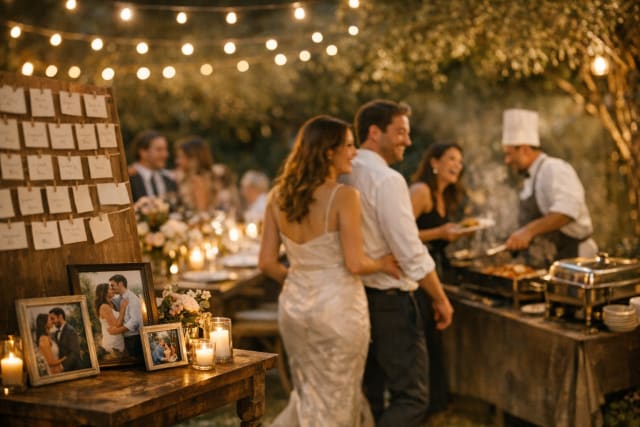
35 Unique Wedding Ideas That Wow Your Guests
18 JUN 2026
How to Create and Send an RSVP Link for Your Wedding (Step-by-Step)
8 NOV 2026
Tuscany vs Santorini vs Amalfi Coast for a wedding
18 JUN 2026
How Much Does a Destination Wedding in Europe Cost?
18 JUN 2026
Top 20 Wedding Destinations in Europe for a Fairytale Wedding
18 JUN 2026
Wedding Checklist for US Couples: What to Do and When
18 JUN 2026
Best Wedding Venues in the USA for Every Budget
18 JUN 2026
20 Most Popular Wedding Themes in America for 2026
18 JUN 2026
Average Wedding Cost in the USA: 2026 Budget Breakdown
18 JUN 2026
The Complete Wedding Planning Timeline for Busy Couples
18 JUN 2026
35 Unique Wedding Ideas That Wow Your Guests
18 JUN 2026
