
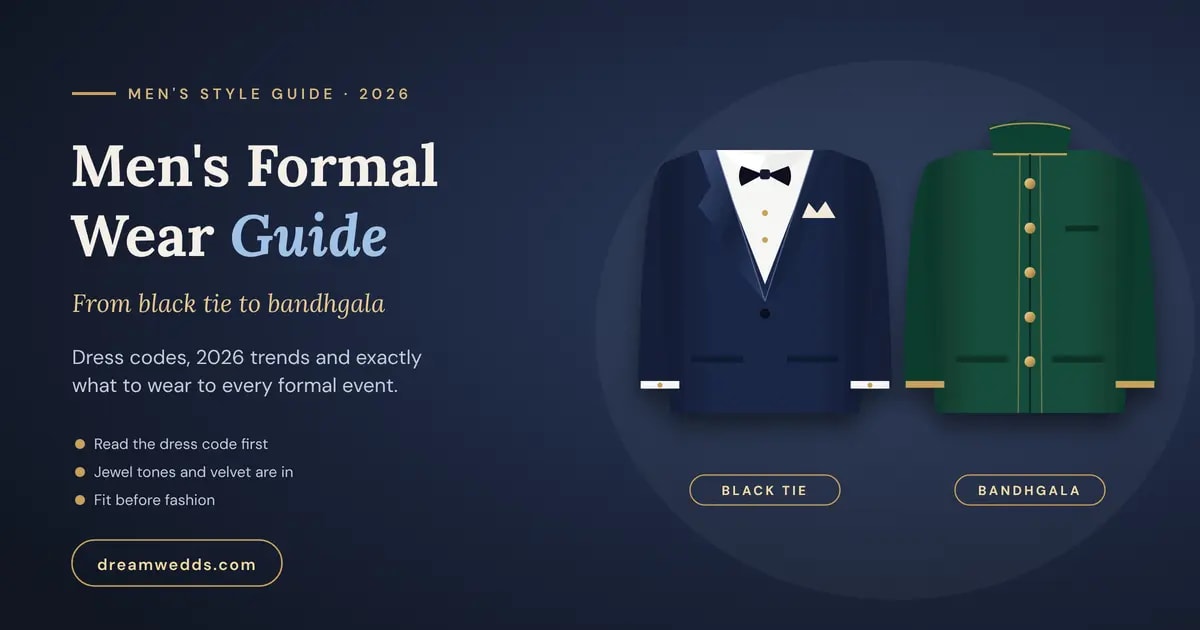
Introduction
What every dress code actually means, which colours and fabrics are trending, and how to dress formally for Western and Indian events.
The Ultimate Guide to Men's Formal Wear in 2026: Dress Codes, Trends and Indian Formal Looks
Estimated Reading Time: 11 Minutes
- Read the dress code first. Black tie, black tie optional, cocktail and business formal all mean different things.
- The tuxedo is still the standard for black tie, but 2026 formalwear is slimmer, softer and more personal.
- Jewel tones like navy, burgundy and forest green, plus velvet, are replacing all-black at many events.
- For Indian weddings, a bandhgala is the formal match for a tuxedo, and a Nehru jacket works for lighter occasions.
- Fit matters more than price. Budget for alterations every time you buy.
"Clothes and manners do not make the man; but, when he is made, they greatly improve his appearance." – Henry Ward Beecher
Introduction
Every year someone predicts the end of formalwear, and every year it comes back. Weddings, galas, award nights, corporate dinners and family milestones still call for a proper outfit. What has changed in 2026 is the attitude. The rules haven't gone, but they've become more flexible. Black tie no longer demands total conformity, and men now want to look polished without looking identical to everyone else in the room.
This guide covers men's formal wear from the basics to the details: how to read a dress code, the key pieces and how they should fit, what's trending this season, and how to dress formally in Indian wedding settings too. Dressing well isn't only about looking good. It shows respect for the hosts and the people around you, and it tends to make you stand a little taller.
1. Understanding Men's Formal Wear
What Counts as Formal Wear?
Men's formal wear is a set of coordinated pieces: a dark suit or tuxedo, a tailored dress shirt, a tie or bow tie, polished formal shoes and a few well-chosen accessories. Each piece supports the others, and the whole outfit should look like it was chosen on purpose.
When Do You Need It?
- Weddings: From traditional ceremonies to black-tie receptions. For Indian weddings, see What to Wear in Indian Weddings.
- Galas and award nights: Charity dinners, fundraisers and formal ceremonies.
- Corporate events: Conferences, board dinners, annual awards and important meetings.
- Milestone events: Engagements, receptions, graduations, christenings and formal family occasions.
2. The Dress Code Ladder
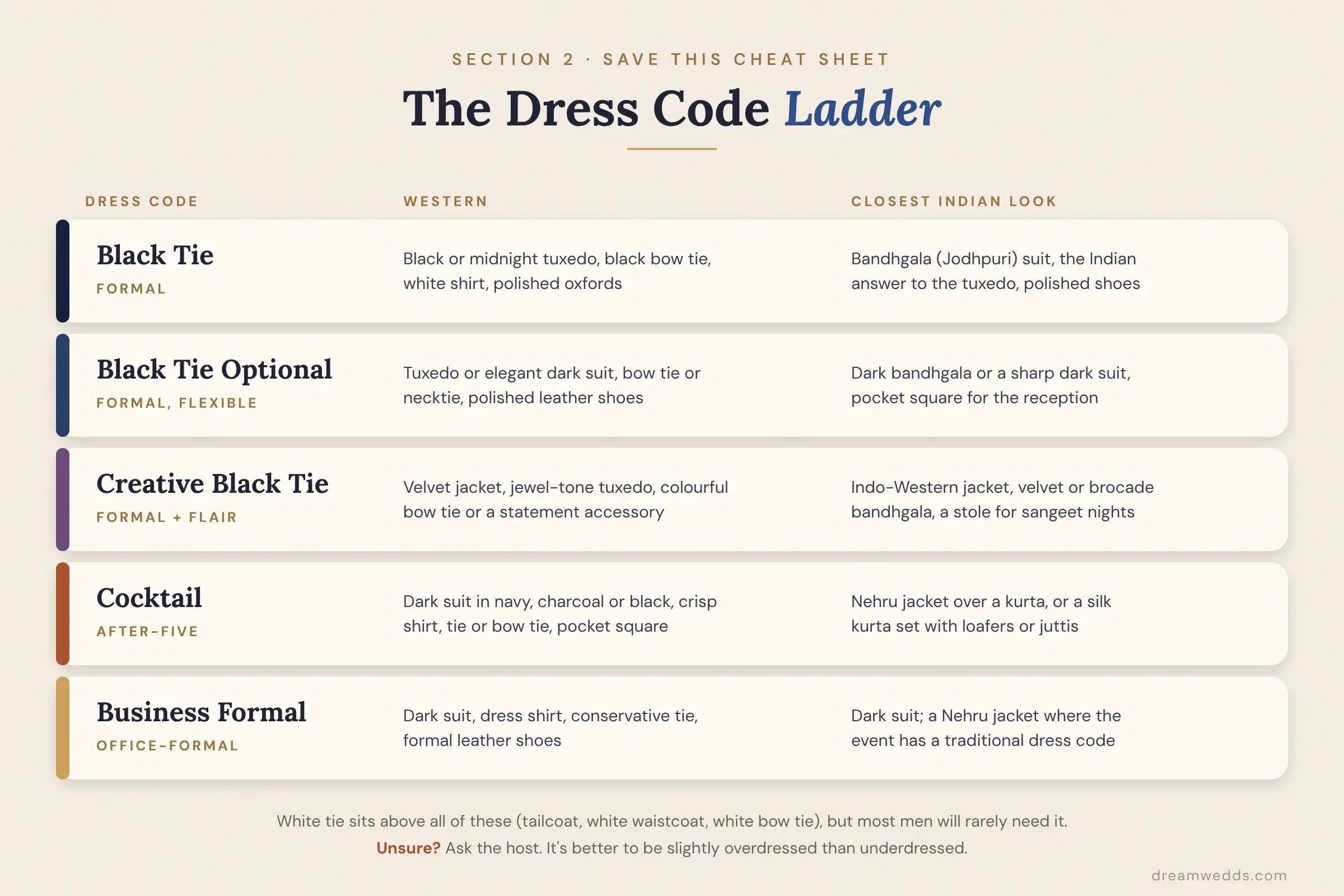
Dress codes are shorthand. From most formal to least formal, men's dress codes usually rank as white tie, black tie, black tie optional, creative black tie, semi-formal and business formal, with cocktail attire sitting in the middle zone between business formal and black tie. Here's what each one asks for:
| Dress Code | What To Wear | Typical Events |
|---|---|---|
| White Tie | Tailcoat with knee-length tails, white piqué shirt, white waistcoat, white bow tie, formal trousers | The very top of formality. Rare, and most men will never need it. |
| Black Tie | Black or midnight-blue tuxedo with satin lapels, white dress shirt, black bow tie, patent leather or highly polished black oxfords | Galas, formal weddings, award ceremonies |
| Black Tie Optional | A tuxedo, or an elegant dark suit with upscale shoes, with a bow tie or necktie | Upscale receptions and charity events |
| Creative Black Tie | Black-tie basics plus personality: a velvet jacket, a colourful bow tie or an unusual accessory | Festive parties, themed galas |
| Cocktail | A dark suit in navy, charcoal or black, crisp shirt, tie or bow tie, polished shoes, pocket square | Evening weddings, receptions, corporate parties |
| Business Formal | Dark suit, dress shirt, conservative tie and formal shoes | Important meetings, conferences, board events |
Not sure? Check the invitation, the venue, the time of day and the season. If you're still unsure, ask the host, or look at the couple's wedding website. It's much better to be slightly overdressed than underdressed.
3. What's Trending in Men's Formal Wear in 2026
The Tuxedo Is Still King, Only Slimmer
Black tie isn't going anywhere. What's changed is the shape. Tuxedo silhouettes have moved away from boxy, oversized cuts toward slimmer, more tailored profiles. Slim doesn't mean tight. It means removing excess fabric so the suit moves with your body.
Jewel Tones and Midnight Blue
Navy, burgundy, forest green and deep sapphire are leading modern tuxedo styles, since these shades read as formal without being predictable. Midnight blue is the quiet favourite. It looks nearly black indoors but richer in photos and daylight. Beyond tuxedos, suiting in 2026 has moved past plain black and navy into richer, more expressive palettes.
Velvet for Evenings
Velvet dinner jackets and velvet tuxedos are a cold-season standard for galas, receptions and festive parties. Wear one with dark trousers, a crisp white shirt and a black or deep-coloured bow tie. For more bow tie ideas, see Bow Ties Men Can't Resist.
Softer Construction and Natural Fibres
The move toward natural fibres and unstructured interiors means modern formalwear moves with you rather than against you. That comfort has led to a creative explosion in how black tie is worn.
Personal Style Within the Rules
The rules that once defined formal attire are now flexible frameworks. Weddings no longer demand monotone palettes, and men increasingly treat formalwear as an extension of their personal style. Pinstripes, double-breasted jackets, three-piece suits and mismatched jacket-and-trouser combinations are all part of the 2026 conversation. If the invitation says black tie, though, follow the form. Save the self-expression for creative black tie or festive occasions.
4. Indian Formal Wear for Men
If you're attending an Indian wedding or reception, a Western tuxedo isn't your only formal option. Indian formal wear offers rich silhouettes, luxurious fabrics and intricate craftsmanship that command attention.
The Bandhgala (Jodhpuri Suit)
The bandhgala, also called the Jodhpuri suit, is often described as the Indian answer to the tuxedo. It's a structured jacket with a closed, stand-up collar that suits formal receptions, cocktail parties and corporate events with a traditional dress code. It sits at the cross-section of Indian heritage and Western tailoring. In 2026, Indian men looking for alternatives to both the heavy sherwani and the Western tuxedo increasingly choose it.
The Sherwani
The sherwani is the classic for the main ceremony and for grooms. A modern sherwani pairs a sharp closed-collar shape with tailored trousers. For guests, it can be too heavy unless you're close family.
The Nehru Jacket
A structured, collarless jacket worn over a kurta-pyjama or a kurta with trousers. It's one of the most enduring Indo-Western garments for men and works for semi-formal and daytime functions.
Colours and Details in 2026
- Groom colours: Gold, ivory, maroon and red are classic. This year, pastels and unconventional shades like sage green and dusty blue are popular.
- Wedding guest colours: Earthy tones like burnt sienna and terracotta are trending, along with soft pastels such as dusty rose.
- Accessories: A velvet or silk stole draped over one shoulder adds movement. Pocket squares suit bandhgala and reception looks.
- Shoes: Juttis for traditional functions, and sleek loafers for Indo-Western and reception outfits.
Can you wear a Western suit to an Indian wedding? For the reception, yes, especially a bandhgala-style or dark formal suit. For the ceremony itself, ethnic attire such as a kurta, sherwani or Nehru jacket is strongly preferred. Need ideas for pre-wedding functions? See our guides to haldi and mehendi glam and casual party looks for men.
5. Key Pieces of Men's Formal Wear
Suits and Tuxedos
- Single-breasted: The classic option with one row of buttons, which suits almost every formal occasion.
- Double-breasted: A more structured, dressier look that has made a comeback. It tends to flatter men who are tall or have a straighter build.
- Fabric: Wool for year-round wear, lighter wool or linen blends for summer, and velvet, tweed or heavier wools for winter.
- Colour: Navy, charcoal and midnight blue are timeless, and black is for black tie. Add burgundy, forest green or sapphire when the occasion allows.
Dress Shirts
- Colour: White is the universal choice. Light blue works for business formal and cocktail events.
- Collar: A spread collar suits most tie knots, and a wingtip collar is the traditional choice for tuxedos and white tie.
- Fit: Tailored is the sweet spot. It's sleek, not tight, with comfortable movement through the shoulders and chest.
- Cuffs: French cuffs with cufflinks are a nice formal detail.
Ties and Bow Ties
- Bow ties: Expected at black tie. Silk is the classic choice, and velvet works for winter and creative black tie.
- Neckties: Best for business formal and cocktail. Silk is traditional, while wool and knit add texture for less formal events.
- Knots: The four-in-hand is simple and always appropriate. A half Windsor is slightly larger and symmetrical.
Shoes
- Oxfords: Closed lacing makes them the quintessential formal shoe. Black is the most formal.
- Patent leather: A classic for tuxedos.
- Brogues and brown leather: Fine for cocktail and less formal events.
- For Indian wear: Juttis or polished loafers, matched to the outfit's formality.
Accessories
- Watch: A slim, minimalist design with a leather or metal strap.
- Cufflinks and studs: Match the metal of your watch and tie bar.
- Belt: Match its colour and finish to your shoes. With a tuxedo, many men wear suspenders or a cummerbund instead.
- Pocket square: It should complement your tie, not match it exactly.
6. Fit, Tailoring and Care
A well-fitted suit makes you look sharper and feel more comfortable, and it matters more than the label. Put aside a budget for alterations when you buy. These are the main things a tailor can adjust:
- Jacket: Shoulder fit (the hardest thing to change, so get it right in the shop), sleeve length, and waist suppression.
- Trousers: Waist, length (a slight break over the shoe) and taper through the leg.
- Shirt: Sleeve length, so about 1 cm of cuff shows under the jacket.
Buy, rent or make to measure? If you attend formal events only once or twice a year, renting a tuxedo is sensible. If you attend them regularly, buying one good midnight-blue or black tuxedo saves money over time. Made-to-measure is worth it if off-the-rack never fits you well.
Care: Steam rather than iron, brush your jacket after wearing it, store suits on wide wooden hangers, and let shoes rest a day between wears.
7. Dressing for the Season
- Summer and daytime: Linen blends, lighter wools, and shades like beige, stone or light grey. Choose breathable shirts and unlined jackets.
- Winter and evening: Velvet, tweed and heavier wools in deep navy, burgundy, bottle green or charcoal. Winter is peak wedding season in India, so this is when jewel tones and velvet look their best.
- Outdoor or beach venues: Keep the formality but lighten the fabric, and skip patent shoes on sand and grass.
8. Common Formal Wear Mistakes
- Ignoring the dress code: If it says black tie, wear black tie. Creativity belongs in creative black tie.
- Poor fit: Sleeves that are too long, trousers that are too short or a jacket that pulls when buttoned.
- Mixing metals and leathers: Silver cufflinks with a gold watch, or a brown belt with black shoes.
- Too many statement pieces: One bold item is enough, whether that's a velvet jacket, a bright bow tie or a patterned pocket square.
- Wearing a clip-on that looks cheap: A pre-tied bow tie is fine if it's good quality and adjustable, but learn to tie a real one if you can.
- Unshined shoes and wrinkled shirts: They undo the whole outfit.
- Wearing an unfamiliar outfit for the first time on the day: Try everything on together a week before the event.
9. A Quick Pre-Event Checklist
- Check the dress code, time of day and venue.
- Try on the full outfit, including shoes, a week ahead.
- Steam your jacket, shirt and trousers the day before.
- Polish your shoes and check your socks (dark, over-the-calf for formal).
- Lay out cufflinks, tie, pocket square and watch together.
- Get a haircut and trim facial hair two or three days before.
Conclusion
Great formalwear comes down to a few things: read the dress code, get the fit right, choose quality fabrics and colours that suit the season, and add one personal detail. Whether you're in a midnight-blue tuxedo, a bandhgala or a dark suit with a velvet bow tie, the aim is the same: to look like you belong in the room and to feel at ease in it.
Call to Action
What's the best formal outfit you've worn? Share your favourite look or your best formalwear tip in the comments, and follow our blog for more men's style guides.
Getting married? Create a beautiful wedding website with DreamWedds and share the dress code for every function, so your guests know exactly what to wear.
Further reading: Formal Attire for Men: What to Wear and When (2026) – The Black Tux · Formal Wear Forecast 2026 – The Black Tux · The New Rules of Formal Dressing in 2026 – Ape to Gentleman · Indian Formal Wear for Men – Aza Fashions · Men's Indian Wedding Attire by Function – Aza Fashions · How Modern Men Are Transforming Formal Style – The Fashionisto
Men's Fashion Formal Wear Style Tips Men's Attire Dress Codes
Wedding RSVP Website: What It Should Do and How to Set One Up
20 NOV 2026
Wedding RSVP Wording: 25 UK Examples & Reply-By Dates | DreamWedds
20 NOV 2026
Wedding Hashtag Ideas: 100+ Examples and a Free Generator
20 NOV 2026
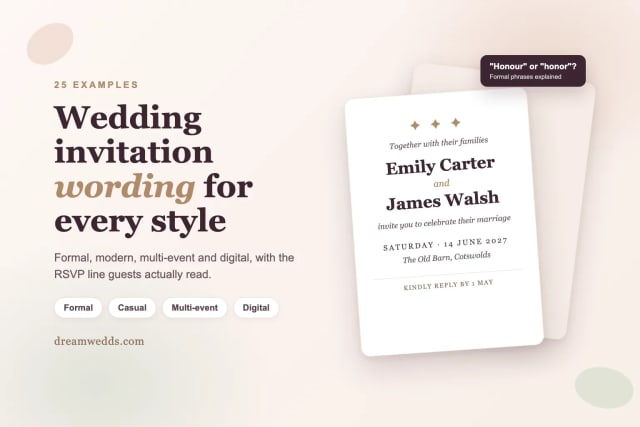
Wedding Invitation Wording: 25 Examples for Every Style
20 NOV 2026
Do You Need a Wedding Website? A Balanced Guide
20 NOV 2026
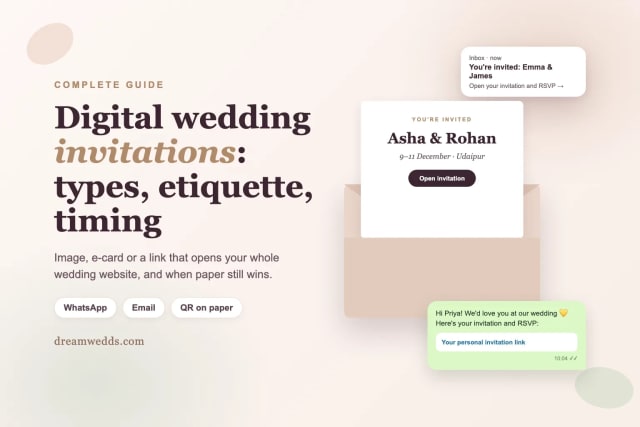
Digital Wedding Invitations: Types, Etiquette and When to Send
20 NOV 2026
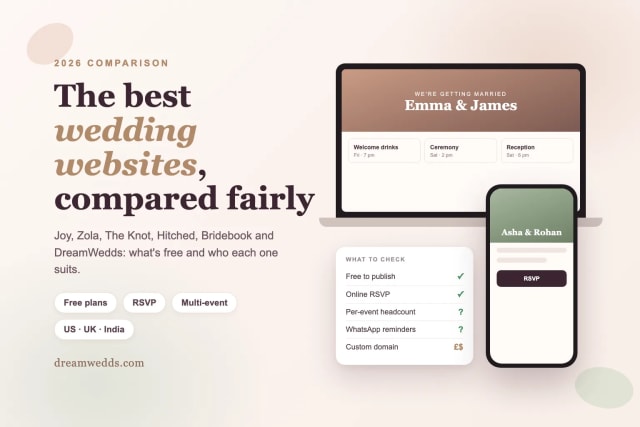
Best Free Wedding Website Builders: What’s Actually Free?
20 NOV 2026

When Should I Send Wedding Website and RSVP Links? A Practical Timeline
19 NOV 2026

What Should I Put on a Wedding Website? A Section-by-Section Guide and Checklist
19 NOV 2026
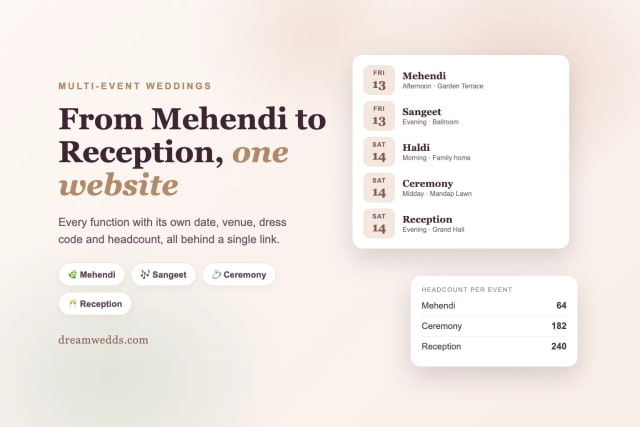
From Mehendi to Reception: Building a Multi-Event Indian Wedding Website With DreamWedds
18 NOV 2026
Wedding RSVP Website: What It Should Do and How to Set One Up
20 NOV 2026
Wedding RSVP Wording: 25 UK Examples & Reply-By Dates | DreamWedds
20 NOV 2026
Wedding Hashtag Ideas: 100+ Examples and a Free Generator
20 NOV 2026
Wedding Invitation Wording: 25 Examples for Every Style
20 NOV 2026
Do You Need a Wedding Website? A Balanced Guide
20 NOV 2026
Digital Wedding Invitations: Types, Etiquette and When to Send
20 NOV 2026
Best Free Wedding Website Builders: What’s Actually Free?
20 NOV 2026
When Should I Send Wedding Website and RSVP Links? A Practical Timeline
19 NOV 2026
What Should I Put on a Wedding Website? A Section-by-Section Guide and Checklist
19 NOV 2026
From Mehendi to Reception: Building a Multi-Event Indian Wedding Website With DreamWedds
18 NOV 2026
