

Introduction
Use this wedding budget calculator to decide how much to spend in 2026, where the money usually goes, and what to prioritise.
Your budget should buy the experience you care about most. Spend for impact, not for obligation.
How much should you spend on a wedding in 2026?
You should spend the amount that fits your guest count, your city, and the kind of celebration you actually want, not a fixed percentage of income. A sensible wedding budget starts with your total comfort limit, then gets divided by the parts of the event that will matter most to you.
There is no universal number, and that is the honest answer. A 40-guest civil ceremony in Manchester, a 150-guest hotel wedding in Chicago, and a three-event Indian wedding in Delhi all live in different cost worlds.
What a wedding budget usually has to cover
A wedding budget usually stretches across far more categories than couples expect. The obvious costs are venue, food, drinks, photography, attire and decor, but the hidden ones often create the budget pressure.
Plan for these broad buckets:
- Venue and event space hire
- Catering and cake or dessert
- Alcohol or bar service
- Photography and video
- Attire, alterations, hair and makeup
- Florals and decor
- Music and entertainment
- Paper goods, stationery and signage
- Transport and accommodation
- Officiant or ceremony-related fees where relevant
- Tips, service charges, taxes and delivery fees
- Contingency for last-minute changes
The biggest mistake is treating the quoted price as the final price. Vendor fees, gratuities, overtime, rentals, cleaning charges and service taxes can move the real total fast, especially in cities with strong event demand.
A simple wedding budget calculator rule that actually works
The best rule is to set your total budget first, then protect the top three priorities before you spend on decoration. If you start with flowers, favours or stationery, you will usually overbuy the least memorable parts of the day.
Use this order:
- Decide your guest count target.
- Pick your total spending ceiling.
- Reserve the categories that shape guest experience most.
- Reduce low-visibility extras until the numbers work.
For most couples, guest count is the budget lever with the biggest effect. More guests means more food, more chairs, more tableware, more invitations, more transport complexity and often a larger venue.
What couples in the US, UK and India typically spend on different wedding styles
Costs vary widely by city, season and vendor, but these bands can help you sanity-check a budget before you book anything.
| Wedding style | Typical budget band | What usually drives the cost |
|---|---|---|
| Small city wedding in the US/UK | Mid four figures to low five figures | Venue, food, photography, attire |
| Larger hotel or private venue wedding in the US/UK | Low five figures to mid five figures | Guest count, catering, drinks, rentals |
| Multi-event wedding in India or diaspora setting | Mid five figures INR upward, sometimes much higher | Multiple events, outfits, decor, hospitality, guest flow |
| Destination-style celebration | Highly variable, often higher than a local event | Travel, accommodation, venue minimums, event logistics |
For India, the spread is especially wide because guest expectations, functions and family contributions vary so much by region and faith. A nikah, mehndi, sangeet, haldi, reception or walima may each need different decor, food and venue arrangements, so one headline number rarely tells the whole story.
Where to spend more and where to save
You should spend more on the things guests will remember and photos will keep showing you, then save on the layers that do not change the experience much. That usually means prioritising food, photography, a comfortable venue and decent lighting over oversized decor, elaborate favours or too many printed extras.
Spend more on:
- Food and drinks, because guests notice quality immediately.
- Photography, because the images last longer than the decor.
- Venue comfort, including layout, shade, heating or accessibility.
- Hair, makeup and tailoring if you want to feel polished all day.
- Lighting and sound, especially for evening receptions and dance-heavy events.
Save on:
- Favour boxes and novelty gifts that many guests will leave behind.
- Overcomplicated florals that compete with the venue instead of enhancing it.
- Printed stationery you can replace with digital details where appropriate.
- Too many custom extras for only a small visual payoff.
My opinion: if your choice is between better food and more elaborate table decor, choose the food. Guests forgive plain tables; they remember being hungry or underfed.
A worked example: 120 guests across three events
Say you have 120 guests across three events, with a total budget of £30,000 in the UK or the equivalent local amount in your market. You want a polished but not overly formal celebration.
A workable split might look like this:
- Venue and catering: 40% to 50%
- Photography and video: 10% to 15%
- Attire, beauty and tailoring: 8% to 12%
- Decor and flowers: 8% to 12%
- Music and entertainment: 5% to 8%
- Stationery, signage and guest communication: 2% to 4%
- Transport, accommodation and logistics: 5% to 10%
- Contingency: 10%
In this scenario, you would probably keep the main reception venue straightforward, then put the visual money into one strong focal point, such as a ceremony backdrop, a feature stage or a well-lit dinner space. If you tried to make every event equally elaborate, the budget would disappear quickly.
How many events should your budget cover?
Your wedding budget should cover every event you actually plan to host, not just the ceremony and reception. This matters a lot for South Asian, Muslim, fusion and diaspora weddings, where the real celebration often spreads across several days.
If you are planning multiple events, assign a budget share to each one and rank them by importance. A simple approach is:
- Main ceremony and reception: largest share
- Pre-wedding celebration with the most guests: second largest share
- Smaller family or ritual event: leaner share
That keeps one event from quietly eating the whole budget. It also helps you decide where a simpler venue or lighter decor makes sense without making the wedding feel underdone.
What couples get wrong about the wedding budget calculator
The most common mistake is building the budget around fantasy numbers instead of real quotes. Another is forgetting that guest count, timing and venue rules shape almost every line item.
Three specific traps to avoid:
- Budgeting for 150 guests because that sounds generous, then realising your venue and catering are sized for 100.
- Assuming a Saturday evening date costs the same as a weekday or off-season date.
- Spending too much on visible decor before you have covered taxes, service charges and contingency.
A more subtle mistake is trying to make every decision “perfect.” The better goal is consistency. A wedding feels cohesive when the venue, food, music and guest flow all match the same level of formality.
A better way to set your final number
Set your final number by working backwards from the experience you want. If the reception needs to feel intimate and elevated, your budget should fund atmosphere, lighting and meal quality. If the goal is a lively family gathering, you may need to put more into guest comfort and less into editorial-style decor.
This is also where a wedding website can save time and stress. If you are managing multiple events, venues or guest groups, a single shareable page with event details, maps and RSVPs can reduce confusion and cut down on repetitive messages. DreamWedds is built for that kind of multi-event wedding planning, including South Asian, Muslim, destination and fusion celebrations, with free forever templates available on selected designs. You can see the free option here.
Your next three steps
Start by writing down your guest count range, your must-have priorities and your spending ceiling. Then ask for quotes on the three biggest cost areas before you commit to anything else. You can also explore smart AI planning tools that help manage budgets and guest lists efficiently.
After that, create one simple guest communication hub so people always know event dates, venues and RSVP details. If your celebration includes more than one event, that will save you more time than another spreadsheet ever will.
Frequently asked questions
Is there a standard percentage of income to spend on a wedding?
No standard percentage works for everyone, and that is especially true in 2026. Income, savings, family contributions, debt and local cost of living all change the picture. A better rule is to choose a total amount you can pay without borrowing for basic living costs or creating pressure after the wedding.
Should you include honeymoon costs in the wedding budget?
Only if you want one combined celebration budget. Many couples keep the honeymoon separate so the wedding number stays clear and easier to manage. If the trip is part of your overall plan, include it from the start so you do not accidentally overspend on the wedding itself.
How much contingency should you keep?
A 10% contingency is a sensible starting point for most couples. It gives you room for small surprises such as extra hours, delivery fees, weather backups or a last-minute guest count adjustment. If you are planning multiple events or a destination celebration, a larger buffer may be safer.
What is the easiest place to cut costs without ruining the wedding?
Cut repeated decor, unnecessary stationery and low-impact extras first. Those are usually the least visible to guests and the least important in photos. Keep the budget anchored in the areas that shape comfort and memory, especially food, venue quality and photography.
Wedding Budget Calculator: How Much to Spend in 2026
18 JUN 2026
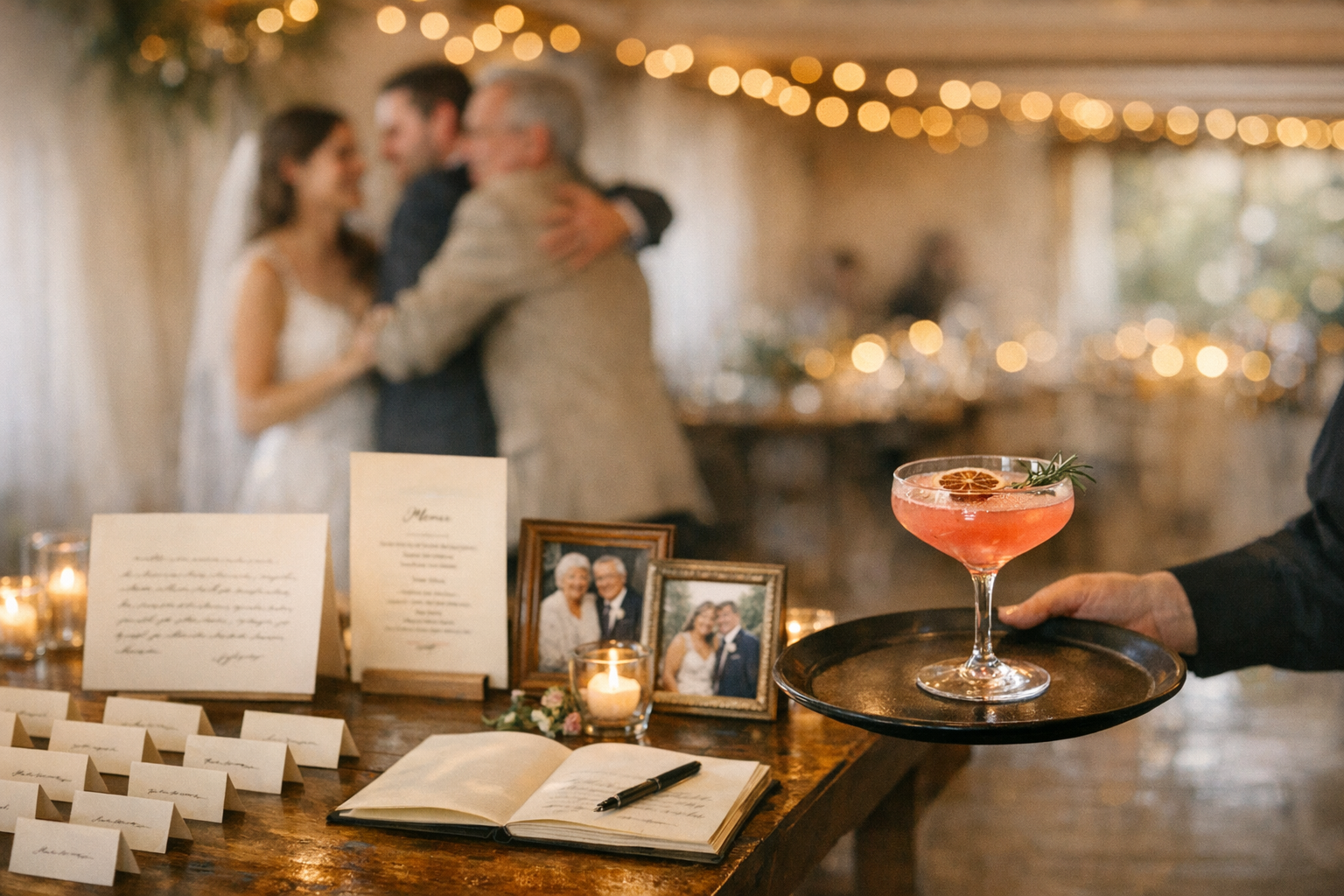
How to Create a Personalized Wedding Experience Guests Remember
18 JUN 2026

21 Wedding Planning Mistakes That Cost Thousands
18 JUN 2026
Digital Wedding Invitations vs Printed Cards: Which Is Better for Your Wedding?
18 JUN 2026
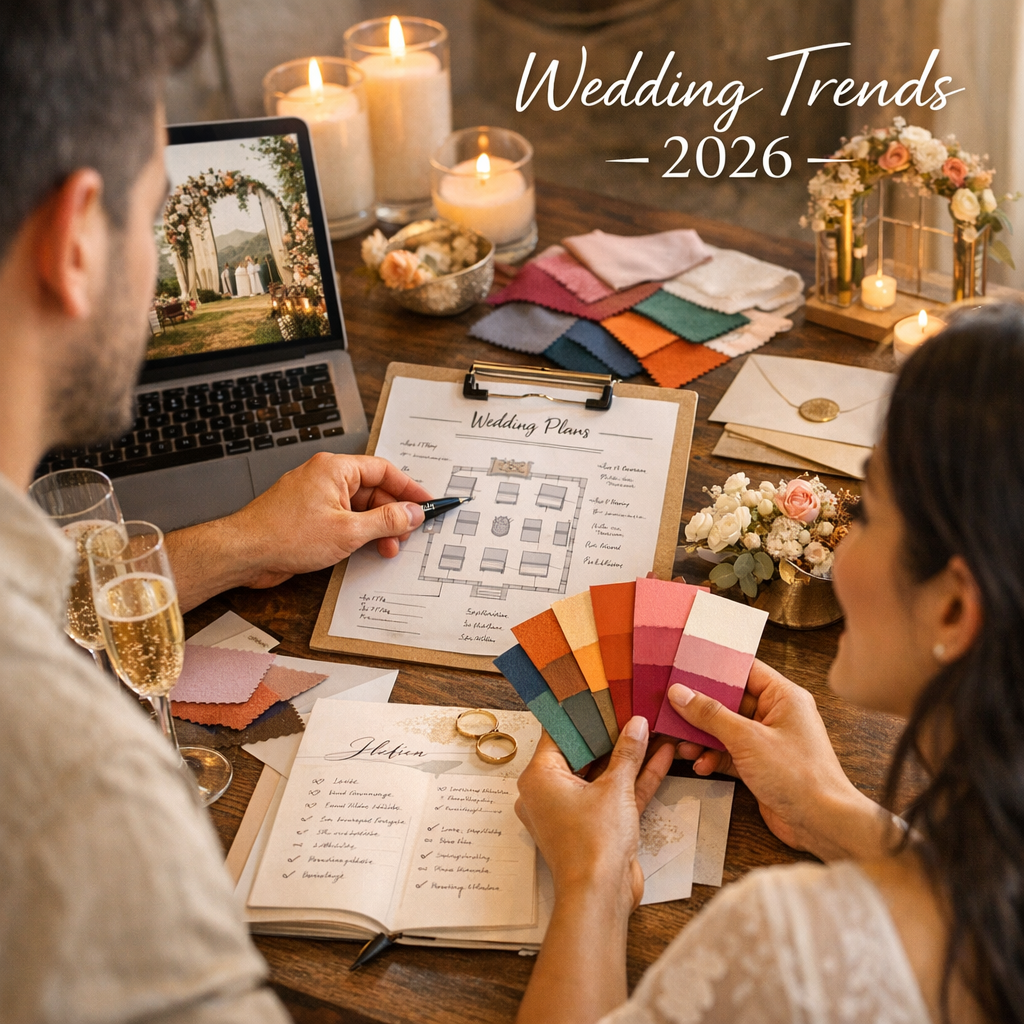
25 Wedding Trends Every Couple Should Follow in 2026
15 JUN 2026
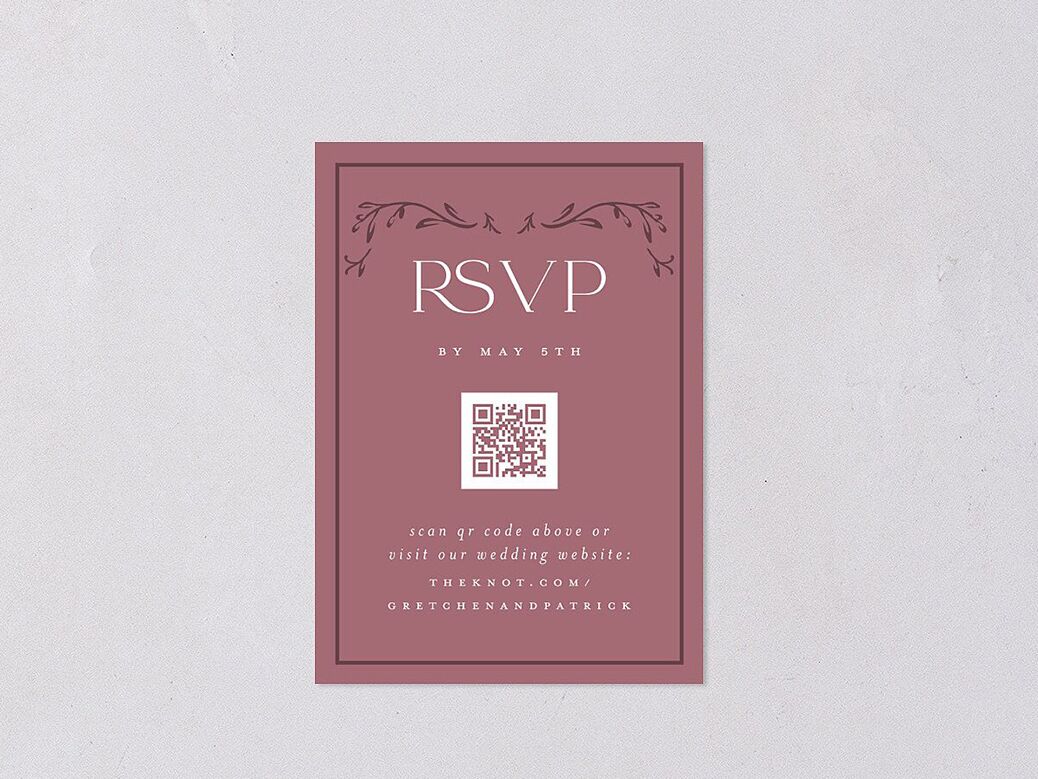
Why Every Modern Couple Needs a Wedding Website in 2026
12 JUN 2026

Sharp Dressing Tips for Men: How to Achieve Stylish and Balanced Outfits for Every Occasion
3 JUL 2025

Bow Ties Men Can't Resist: Elevate Your Party Look with the Perfect Formal Accessories
2 JUL 2025

Mastering the Casual Party Look for Men: Styling Tips for Modern Men's Casual Fashion
1 JUL 2025
The Ultimate Guide to Men Formal Wear: Stylish and Appropriate Attire Options
30 JUN 2025
Wedding Budget Calculator: How Much to Spend in 2026
18 JUN 2026
How to Create a Personalized Wedding Experience Guests Remember
18 JUN 2026
21 Wedding Planning Mistakes That Cost Thousands
18 JUN 2026
Digital Wedding Invitations vs Printed Cards: Which Is Better for Your Wedding?
18 JUN 2026
25 Wedding Trends Every Couple Should Follow in 2026
15 JUN 2026
Why Every Modern Couple Needs a Wedding Website in 2026
12 JUN 2026
Sharp Dressing Tips for Men: How to Achieve Stylish and Balanced Outfits for Every Occasion
3 JUL 2025
Bow Ties Men Can't Resist: Elevate Your Party Look with the Perfect Formal Accessories
2 JUL 2025
Mastering the Casual Party Look for Men: Styling Tips for Modern Men's Casual Fashion
1 JUL 2025
The Ultimate Guide to Men Formal Wear: Stylish and Appropriate Attire Options
30 JUN 2025
