

Embracing the Journey: Practical Newlywed Advice for Navigating the First Year of Marriage
Estimated Reading Time: 12 Minutes
“A successful marriage requires falling in love many times, always with the same person.” – Mignon McLaughlin
Introduction
Congratulations on your recent marriage! As newlyweds, you’ve stepped into an exciting and beautiful chapter of life, one filled with joy, laughter, and unforgettable moments. However, amidst the thrill of your new journey, the first year of marriage can also present its own set of challenges. Learning how to live together, juggle responsibilities, and develop your partnership can sometimes feel overwhelming.
This is exactly why practical newlywed advice is so important. By equipping yourselves with the right guidance, you’ll build a solid foundation for your relationship. In this blog post, we’ll explore valuable tips to help you navigate the marriage adjustment process, covering aspects such as shared living, evolving roles, and new responsibilities. After all, the first year of marriage is a time for both growth and discovery, and you deserve to make the most of it!
As shared by experts, “by seeking trustworthy newlywed advice, couples can lay the groundwork for a thriving partnership, especially as they adjust to living together and navigating the expectations that come with marriage.”
Section 1: Understanding Marriage Adjustment
Defining Marriage Adjustment
So, what does “marriage adjustment” really mean? In simple terms, marriage adjustment is the process by which newlyweds transition from living their individual lives or being in a relationship to becoming a married couple. This transition includes:
- Adapting to new routines
- Merging differing habits
- Establishing shared values and priorities
It is important to recognize that this adjustment process can be both beautiful and challenging. It’s often said that the first year of marriage is the hardest, as couples must learn to communicate deeper, manage conflicts, and align their visions for the future.
Common Challenges in the Transition
As exciting as it is to begin this journey, many newlyweds experience some common challenges:
- Learning Each Other’s Quirks: Living together uncovers daily habits and preferences. It’s essential to approach these quirks with empathy and patience.
- Navigating Expectations Versus Reality: You may find discrepancies in how chores are divided or intimacy levels. Open discussions can help align these expectations for a more harmonious living situation.
- Disagreements Over Finances, Family, and Lifestyle Choices: Financial decisions can cause friction. Setting boundaries and creating mutually-agreed-upon guidelines can help reduce conflicts.
- Realizing the Honeymoon Phase Won't Last Forever: The initial euphoric feelings may fade, but remember that “real intimacy takes work”.
The Importance of Communication
To tackle these challenges, prioritizing open communication is crucial. Honest conversations become the bedrock of your relationship. Discuss your feelings, needs, and goals regularly. This approach helps prevent misunderstandings and enables both partners to feel seen and heard. As experts advise, “commitment—especially on difficult days—carries couples through inevitable ups and downs.” For more on establishing healthy relationship expectations, check out our Setting Healthy Relationship Expectations Before Marriage: A Guide to Building Stronger Partnerships.
Section 2: Key Aspects of Newlywed Life
Financial Management and Budgeting as a Couple
One of the key aspects in the first year of marriage is managing finances together. Merging finances can feel daunting, but here are some practical steps to ensure a smooth transition:
- Create a Joint Budget: Transparency in your financial matters is paramount. Sit down together to create a joint budget that outlines your income, expenses, and savings.
- Schedule Monthly Budget Meetings: Set aside time each month to review your financial health. This practice fosters agreement and accountability in your financial endeavors.
- Utilize Budgeting Tools: Consider using apps or tools to monitor your spending, track bills, and save for future goals.
As experts highlight, “sitting down together to create and stick to a monthly budget helps avert potential tensions and builds trust.” For a deeper understanding of financial compatibility, visit our Financial Compatibility: What It Is and How to Strengthen It in Your Relationship.
Household Responsibilities and Chore Distribution
Managing household chores can be a potential source of friction, but it’s vital to approach this topic with fairness and equality in mind. Here’s how to divide responsibilities effectively:
- Discuss Chore Distribution: Openly talk about your expectations regarding household duties. It’s important to recognize each partner’s strengths and preferences.
- Draft a Chore Chart: Consider creating a weekly or monthly chore schedule that clearly outlines who is responsible for what tasks.
Research supports that “dividing chores and establishing routines prevents resentment and keeps the household running smoothly.” Additionally, embracing individuality can help balance household responsibilities. Learn more in our Embracing Individuality in Marriage: Strengthening Your Relationship Through Personal Growth and Balance.
Balancing Personal Time and Couple Time
Maintaining a healthy balance between personal interests and quality time together fosters a strong relationship. Here’s how to ensure both aspects are nurtured:
- Schedule Regular Date Nights: Set aside dedicated time for each other. This can be as simple as cooking dinner together or heading out for a fun night on the town.
- Encourage Individual Hobbies: Both partners should pursue their own hobbies and friendships outside of the marriage. It’s healthy to have personal interests.
Research shows that “nurturing your relationship by spending quality time together, but also maintaining individual interests, is vital.” For strategies on balancing personal and couple time, refer to our Guide to a Happy Married Life for Newly Married Couples.
Section 3: Practical Newlywed Advice
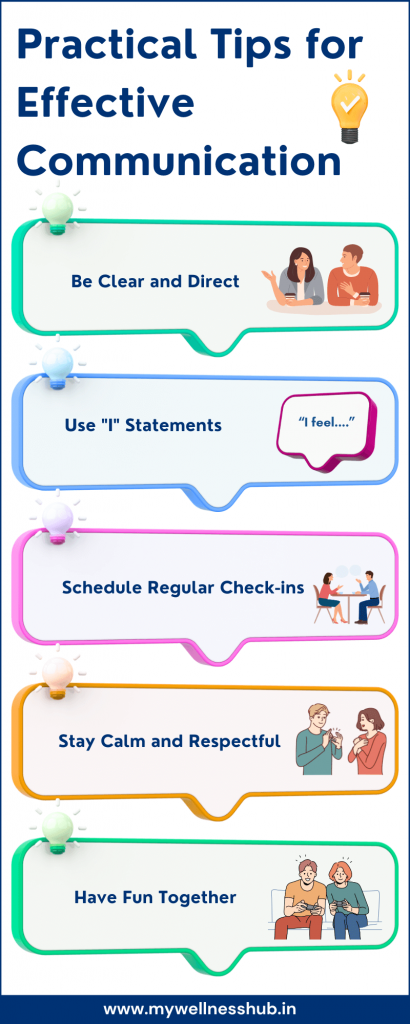
Establish Open Lines of Communication
Honesty is the heart of any good relationship. Regularly discuss your feelings—both positive and negative—and make it a habit to share your thoughts without fear of judgment.
- Practice Active Listening: Respect each other’s perspectives, and strive to understand even when disagreements arise.
As suggested by experts, “respect each other’s perspectives and commit to resolving issues together.” To build emotional intimacy, explore our Building Emotional Intimacy: Pre-Marriage Bonding Strategies for Developing a Deeper Relationship Connection.
Schedule Regular Relationship Check-Ins
Regularly reevaluating your relationship is crucial. Creating intentional times for reflection allows both of you to discuss how you’re feeling and any changes you would like to make.
Create Shared Goals and Establish Traditions
Setting both long-term and short-term goals together can significantly strengthen your bond. Establish traditions, such as:
- Weekly Game Nights: These can become cherished rituals that nurture bonding.
- Annual Family Vacations: Make it a point to explore new places together every year.
Research supports that “creating shared goals and establishing traditions is essential to strengthen your connection.” For more ideas on creating shared goals, visit our Guide to a Happy Married Life for Newly Married Couples.
Practice Conflict Resolution Strategies
Disagreements are a normal part of any relationship. Focus on teamwork by reminding yourselves: it’s “you and your partner versus the problem, not against each other.”
- Use ‘I’ Statements: Instead of saying “you made me angry,” try, “I feel hurt when this happens.” This promotes understanding rather than defensiveness.
- Maintain Respect: Even in disagreements, always keep respectful communication as a goal. Avoid name-calling or harsh words.
Research shows the necessity of constructive dialogue: “disagreements are normal—focus on listening, compromising, and avoiding disrespect.” Strengthen your conflict resolution skills with our Essential Premarital Discussion Topics for Building a Strong and Lasting Marriage.
Section 4: Role Adjustment
Navigating Traditional vs. Modern Roles
Every couple has unique dynamics when it comes to roles, influenced by culture and personal backgrounds. It’s essential to:
- Discuss Role Expectations: Engage in constructive conversations about how you envision your roles as partners.
- Decide Together: Collaboratively determine how responsibilities should be divided, considering each partner’s strengths.
Research indicates that “every couple must navigate how they divide roles, following cultural traditions or developing new arrangements.”
Importance of Flexibility and Adaptability
Life is unpredictable, and so are roles in a marriage, which can shift due to various factors, including career opportunities or family needs.
- Be Open to Change: Embrace the inevitability of change, and regularly reassess how your current role arrangements are working for both of you.
- Growth and Flexibility: These elements are key to fostering a lasting partnership.
Section 5: Building a Strong Partnership
Share Experiences and Support Each Other’s Personal Growth
Marriage is about mutual support. As newlyweds, encourage one another’s personal growth by:
- Celebrating Achievements: Acknowledge and celebrate each other’s milestones, no matter how big or small.
- Investing in Goals: Show interest in each other's careers, aspirations, and personal interests. Supporting individual endeavors strengthens the partnership.
As expert advice states, “support each other’s goals—personally and professionally—and celebrate each other’s successes.”
Engage in Activities That Build Connection
Developing shared interests can deepen your connection.
- Explore Hobbies Together: Try new activities or hobbies that excite both of you.
- Create New Memories: Plan trips or explore local events together—these experiences foster closeness and companionship.
Research shows that engaging in enjoyable activities together “deepen your connection and build new memories.”
Show Gratitude and Appreciation
A simple “thank you” can go a long way. Cultivating an atmosphere of appreciation in your relationship enhances positivity and connection.
- Gratitude Rituals: Make it a habit to express thanks for both the little and big things your partner does.
- Acts of Kindness: Surprise each other with thoughtful gestures, like leaving sweet notes or planning a favorite meal.
Research emphasizes the value of gratitude: “regularly thanking each other for big and small efforts nurtures a culture of appreciation within your marriage.”
Conclusion
Your first year of marriage is an adventure filled with both adjustments and celebrations. By focusing on open communication, flexibility, and shared goals, you can nurture a loving and supportive partnership. Remember, embracing practical newlywed advice is the key to building a strong foundation for your future together.
As you navigate this beautiful journey, keep in mind that “every couple’s journey is unique, but the process of adjustment is a shared experience among newlyweds everywhere.”
Call-to-Action
We’d love to hear from you! Share your own newlywed advice or experiences in the comments below. Don’t forget to subscribe for more relationship-building insights and marriage tips, and join our community of couples dedicated to growing together through every season of life. Together, you can navigate the wonderful journey of marriage with love and support!
References:
- Fun and Holy - First Year of Marriage
- Focus on the Family - What I've Learned as a Newlywed
- Brides - Best Advice for Newlyweds from a Marriage Counselor
- Time - Marriage Advice First Year
- Happily Ever After - Our Favorite Tips for Newlyweds
Internal Links:
- Setting Healthy Relationship Expectations Before Marriage: A Guide to Building Stronger Partnerships
- Financial Compatibility: What It Is and How to Strengthen It in Your Relationship
- Embracing Individuality in Marriage: Strengthening Your Relationship Through Personal Growth and Balance
- Guide to a Happy Married Life for Newly Married Couples
- Building Emotional Intimacy: Pre-Marriage Bonding Strategies for Developing a Deeper Relationship Connection
- Essential Premarital Discussion Topics for Building a Strong and Lasting Marriage



-

-
 Virat & Anushka: A Fairytale Wedding to Remember!
Yashashvi Mathur
-
 YOUR BIO AND HOW WE MET
Leonard Bernstein
-
 What to include in my Wedding Website
Dream Wedds
-

-

-
-

-

-

-
 The Ultimate Wedding Planning Checklist for Indian Weddings
Simranpreet Singh
-

-

-

-
 The Importance of a Bridal Makeup Trial for Your Wedding Day
DreamWedds Team
-

-
-
-
-

-

-

-

-

-

-

-
 The Ultimate Guide to Achieving Long-Lasting Bridal Makeup
DreamWedds Team
-
 Effective Natural Skincare Remedies to Reduce Pore Size
DreamWedds Team
-

-

-
-
-

-

-

-

-

-
 Selecting the Perfect Foundation Shade: Your Ultimate Guide
DreamWedds Team
-
 Elevate Your Haldi and Mehandi Ceremony Glam
Neeraj Singh
-

-
 Health and Wellness for Brides and Grooms
DreamWedds
-

-

-
-

-

-

-
 Makeup Basics: Essential Cosmetics Every Beginner Should Own
DreamWedds Team
-

-

-

-

-

-

-
-
 Personal Space: The Key to a Healthy and Balanced Marriage
DreamWedds Team
-

-

-

-
 A Guide to Health, Wellness post Marriage
Saujanya Bose
-

-
 Fade Dark Spots: Natural Remedies and Tips for Clearer Skin
DreamWedds Team
-
-

-

-
 How Engagement Party should be celebrated
Leonard Bernstein
-

-

-

-

-

-

-
:max_bytes(150000):strip_icc()/Kitzcornermedium-c9abd848ea634040a06bb6db8b8a7304.jpg)
-